Case Study 03Cinematic · UE5Environment Art

The Last
Night.

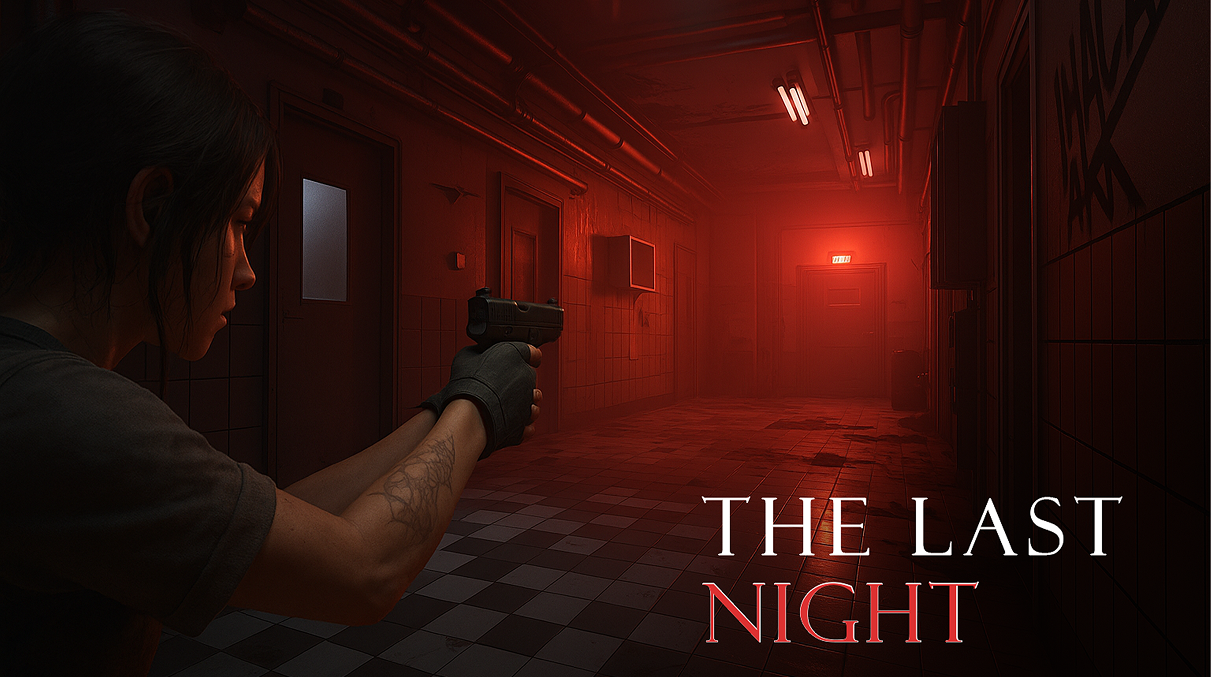
A cinematic post-apocalyptic interior built in Unreal Engine 5 — a study in mood, decay and silence, lit only by failing practicals and the cold breath of a world that has already ended.
Project
The Last Night
Role
3D Environment Artist · Lighting · World-Building
Tools
Unreal Engine 5 · Quixel Megascans · Lumen · Niagara
Year
2025 – 2026
Cinematic EnvironmentReal-time LightingAtmospheric MoodSet DressingCamera CompositionWorld-Building
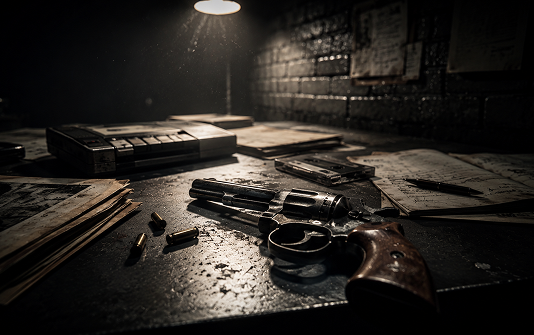
The Last Night — hero render
01The Story
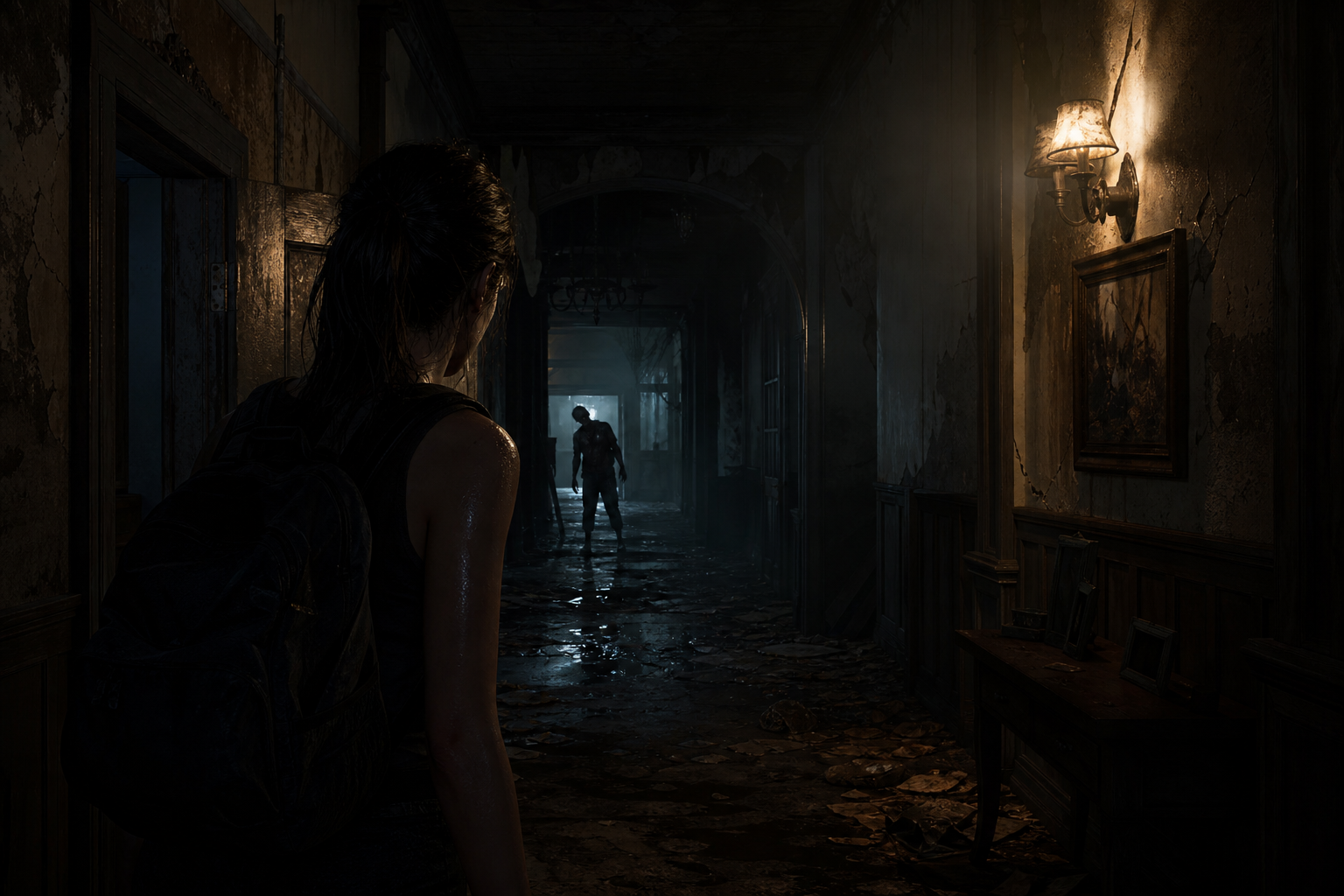
The Last Night — cinematic story showcase

THE STORY

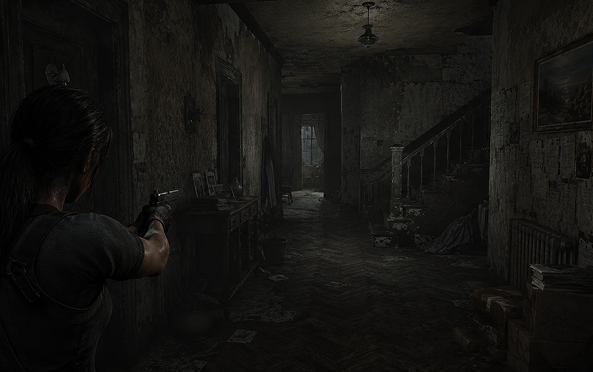
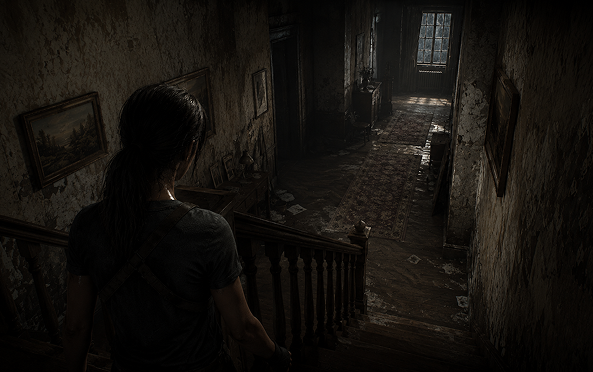
"THE LAST NIGHT" is a survival-horror story-driven game built in Unreal Engine 5.

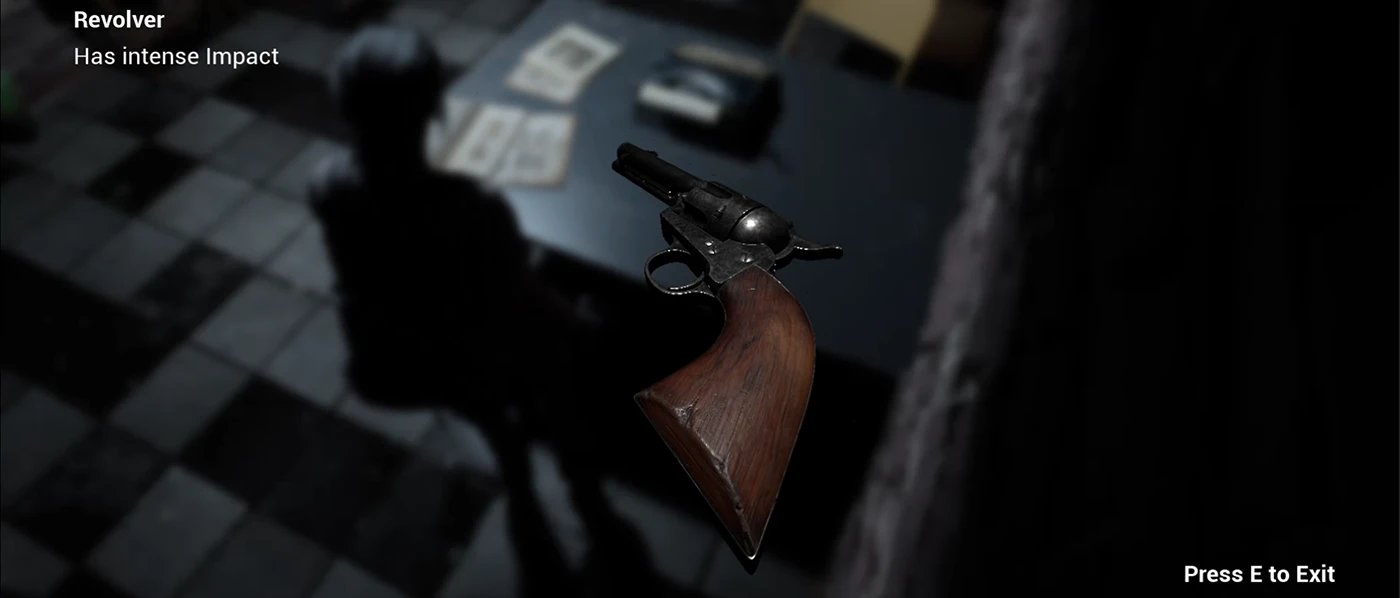
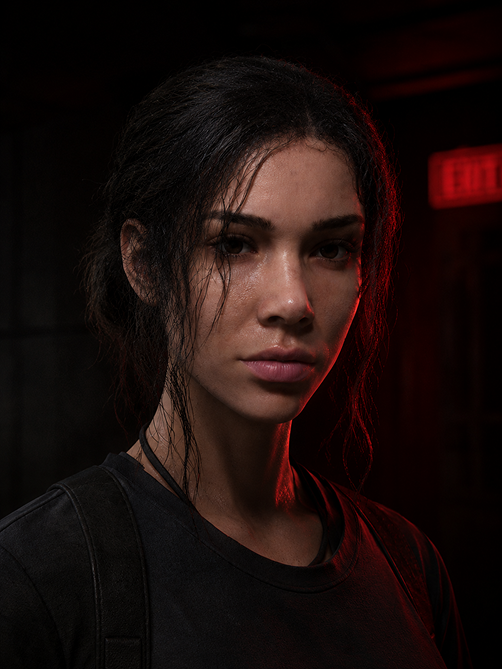
The game follows a young girl trapped inside a zombie-infested house, where survival depends on courage, strategy, and smart inventory management.

Starting from the basement — the only safe room — she must fight through hordes of zombies, collect keys, solve environmental challenges, and uncover a path to escape.

02Project Overview

A world that ended while we weren't looking.

The Last Night is a self-initiated cinematic environment built entirely in Unreal Engine 5. The scene is a single, abandoned interior on the night everything stopped — power flickering on a backup loop, dust still settling, doors left half-open. There is no character on screen. The story is what they left behind.

The project was an exercise in environment art as filmmaking. Every decision — geometry, materials, light, fog, lens — was made in service of one mood: the heavy, quiet weight of the last night before silence.
Atmospheric interior render
03The Challenge

Build a place that feels haunted by what isn't there.

Tell a story without a character
Let the room, the light and the silence carry the narrative.
Believable post-apocalyptic decay
Layered dust, debris, damp surfaces and emergency lighting.
Real-time cinematic lighting
Lumen GI tuned for low light without losing readability.
Mood over spectacle
Tension built through restraint — fewer hero shots, longer pauses.
Composition for stills and motion
Every frame had to hold up as a still render and as a moving shot.
Performance at quality
Held framerate while pushing fog, GI, reflections, and emissive density.
04Environment Design

A room dressed by absence — every prop tells a small, abandoned story.

The interior was greyboxed first to lock scale, the camera path and a single hero sightline. Only after the blockout was approved did the detail pass begin — debris on the floor, a chair pushed back too fast, a monitor still humming on a backup circuit.

Megascan surfaces formed the base, then custom props and decals layered the specifics — water staining, broken plaster, scratch wear where a hand had pulled the door open one last time.

  • Spatial blockout
    Greybox first — composition before detail.
  • Set dressing
    Props placed as evidence, not decoration.
  • Surface storytelling
    Wear, damp and dust as the brand of time.
  • Hero sightline
    Every camera leads to a single quiet focal point.
  • Negative space
    Room to breathe — silence has to fit on screen.
  • Scale anchors
    Familiar objects ground the unreal mood.
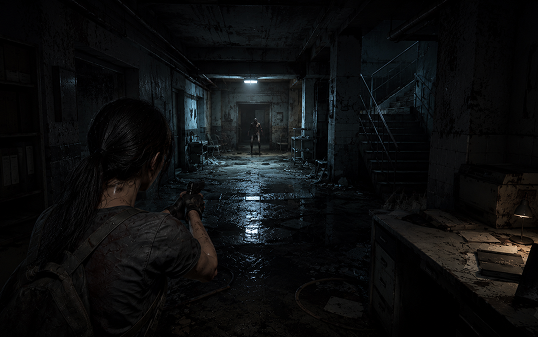
Interior environment composition
Hero sightline render
05World Building

The room is one frame of a much larger story — the rest lives off-screen.
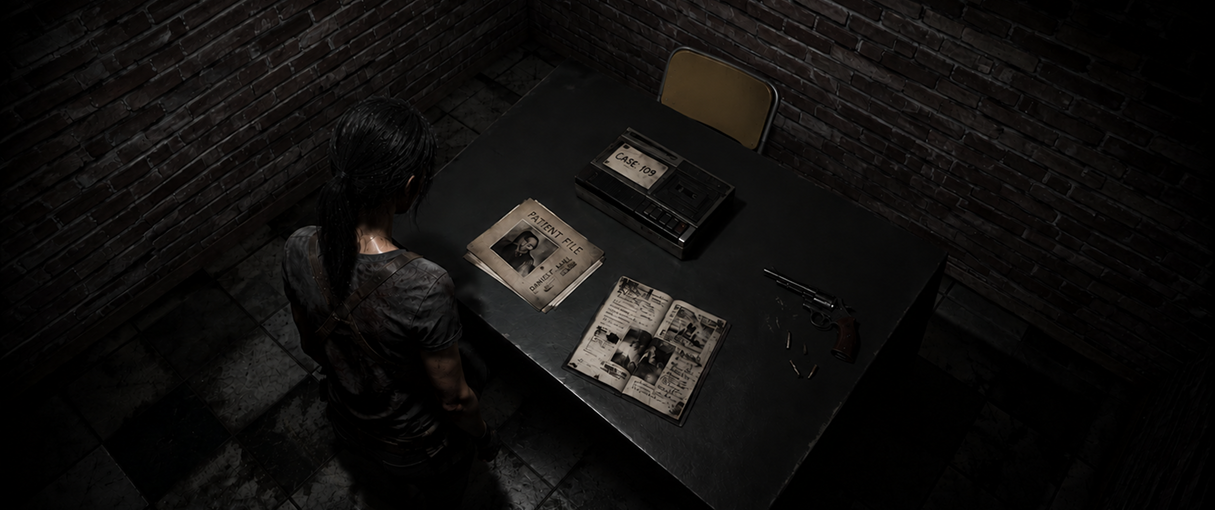
Wide environment shot — world-building
Wide environment beat — establishing the post-apocalyptic world.
Environment detail — corridor
Environment detail — interior corner
06Lighting & Mood Development
Lighting study render

One cold rim. One warm practical. Everything else is fog.

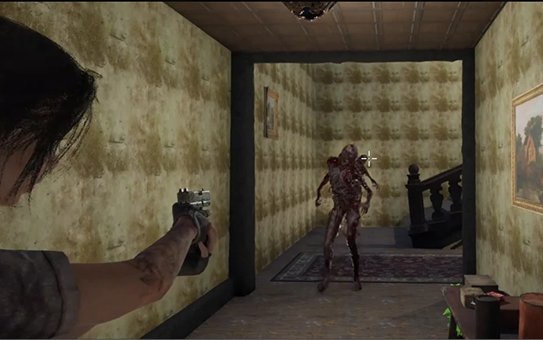
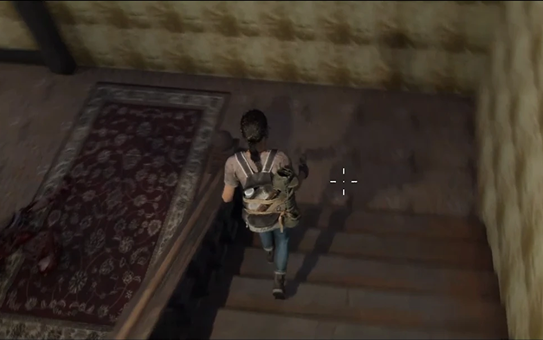
The lighting rig is deliberately small. A narrow set of practicals carries the warm key — flickering bulbs, an EXIT sign, a screen still glowing. A single cool rim from a broken window separates the silhouettes from the deep blacks behind them.

Lumen handles the bounce, exponential height-fog softens the depth, and volumetric god-rays carry the story forward. The whole palette sits in a low key — almost no mid-tones — so the eye reads tension first and detail second.
Key
Warm practicals · 2700K
Rim
Cool moon · 6500K
Bounce
Lumen GI
Atmos
Volumetric fog · god-rays
Mood frame — emergency lighting
Mood frame — cold rim
07Unreal Engine 5 Workflow

An eight-step pipeline from blockout to final grade.

01
Concept & Mood
Reference boards for The Last of Us, Blade Runner 2049 and abandoned-interior photography.
02
Blockout
Greyboxed the room in UE5 to lock scale, sightlines and the camera path before any detail.
03
Set Dressing
Megascan assets, custom props and decals layered to tell a lived-in, abandoned story.
04
Materials
Wet floors, peeling paint, broken concrete and emissive screens tuned for the night palette.
05
Lighting
Lumen GI, narrow practicals, emergency reds and a single cold rim — no daylight, no sky.
06
Atmosphere
Volumetric fog, exponential height-fog and dust motes to soften the deep blacks.
07
Cinematics
Sequencer cameras, slow dolly moves and depth-of-field tuned per shot.
08
Render & Grade
Movie Render Queue passes, post-process volume and final colour grade for night.
ConceptBlockoutAsset PipelineLightingAtmosphereSequencerRender QueueGrade & Export
08Motion Study

A slow camera, a held breath, a single moving light.
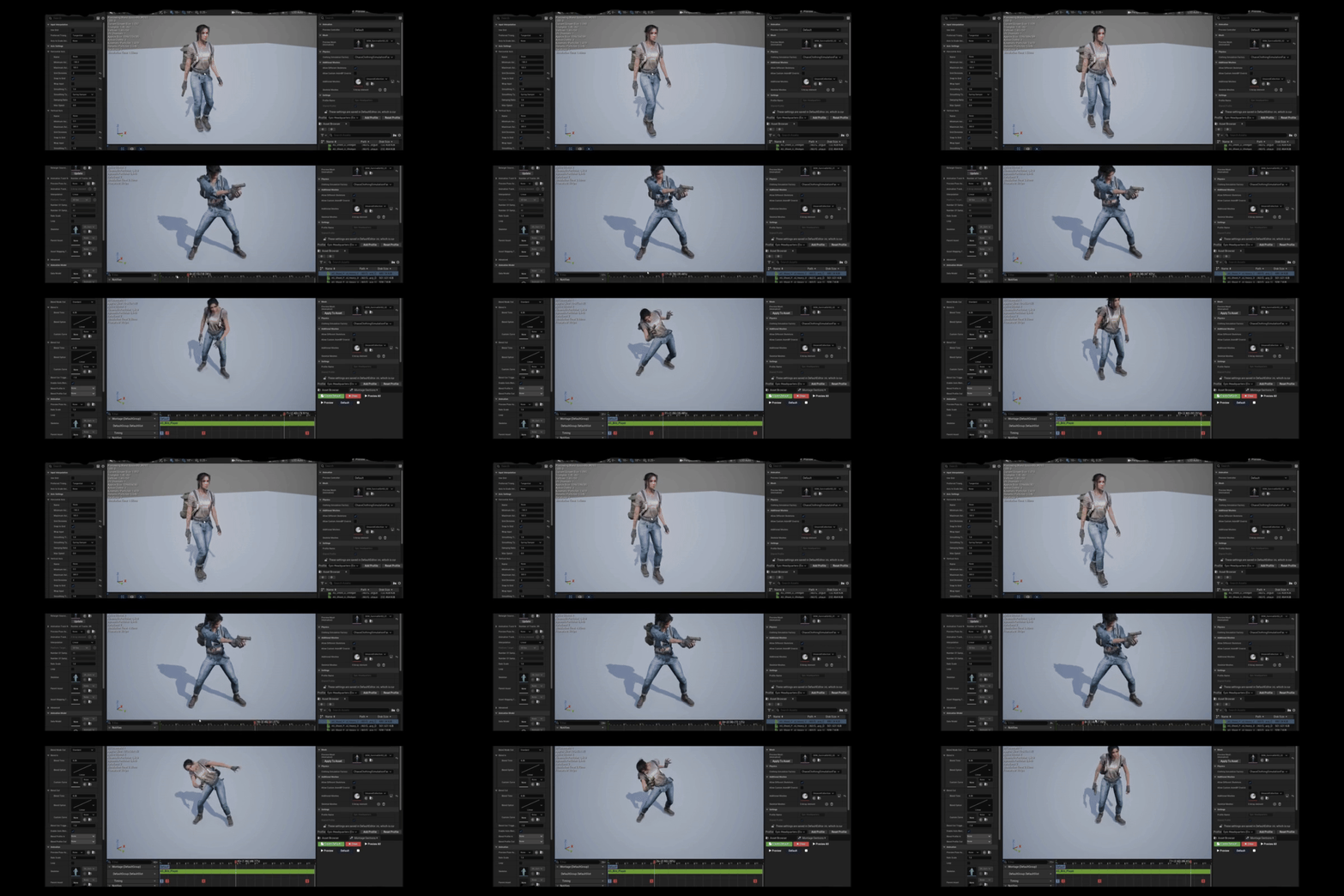
Animated motion frame — The Last Night
Sequencer beat — slow dolly with flickering practical light.
09Tools Used
Unreal Engine 5
Lumen GI, Nanite geometry, Niagara particles, Sequencer cinematics and Movie Render Queue.
Quixel Megascans
Photoscanned debris, surfaces and props as the base layer for believable decay.
Blender
Custom hero props, scene-specific geometry, and UV cleanup before importing into UE5.
Photoshop
Decals, signage, screen graphics and the final still-frame grading pass.
10Gallery

Frames from the last night.

Gallery frame 1
Gallery frame 2
Gallery frame 3
Gallery frame 4
Gallery frame 5
Gallery frame 6
Gallery frame 7
Gallery frame 8
Gallery frame 9
Gallery frame 10
11Final Outcome

A short film, told by a room.

The Last Night closed as a cinematic environment showcase — a series of beauty renders, a Sequencer-driven walkthrough, and a final YouTube film. It became the cornerstone of my UE5 portfolio and the project I now point to first when discussing environment storytelling.

Watch the film
Final cinematic frame
12Key Learnings
01
Lighting is the script — pacing, mood and meaning all live there.
02
Greybox first, polish last. Detail is wasted on bad composition.
03
Lumen rewards restraint — fewer, better lights beat dense rigs.
04
Atmospherics carry as much weight as geometry in night scenes.
05
Sequencer is where the project becomes a film, not a level.
06
Performance and beauty are the same problem — solve them together.